
Abul Kalam has always been about building software that helps ambitious businesses move faster, and the latest wave of Laravel AI agents is exactly the kind of practical shift worth paying attention to. Laravel’s AI stack now supports MCP servers, which means agents can connect to real application capabilities with bearer or OAuth auth, use STDIO or HTTP transports, and benefit from caching that makes these integrations more usable in production.
If you’ve been waiting for a cleaner way to bridge AI prompts and actual product actions, this is the update that matters. In this post, we’ll unpack what MCP support means for teams shipping on Laravel, why it’s a big deal for software engineering workflows, and how it can turn experimental assistants into dependable app-native tools. For the original announcement, see Laravel’s AI blog updates.
What Laravel AI agents can do with MCP
MCP, or Model Context Protocol, gives AI agents a structured way to discover and use tools. Instead of hard-coding every integration, you expose capabilities through an MCP server and let the agent interact with them in a consistent way.
For Laravel teams, that opens the door to a more maintainable pattern: your application keeps the source of truth, while the agent becomes a smarter interface to it. That is a much better fit for production than random API calls stitched together in ad hoc scripts.
Why this matters for real products
This is not just a buzzword upgrade. It is a practical step toward safer and more scalable AI integrations.
Here’s why the new Laravel AI agents approach stands out:
- Bearer and OAuth auth make access control more realistic for business apps.
- STDIO and HTTP transports give teams flexibility in how they connect services.
- Caching can reduce repeated work and improve response times.
- App-native capabilities keep the agent grounded in your actual product.
That combination matters when you are building software for clients, internal teams, or customers who expect reliability, not demos.
From prototype to production-ready AI integration
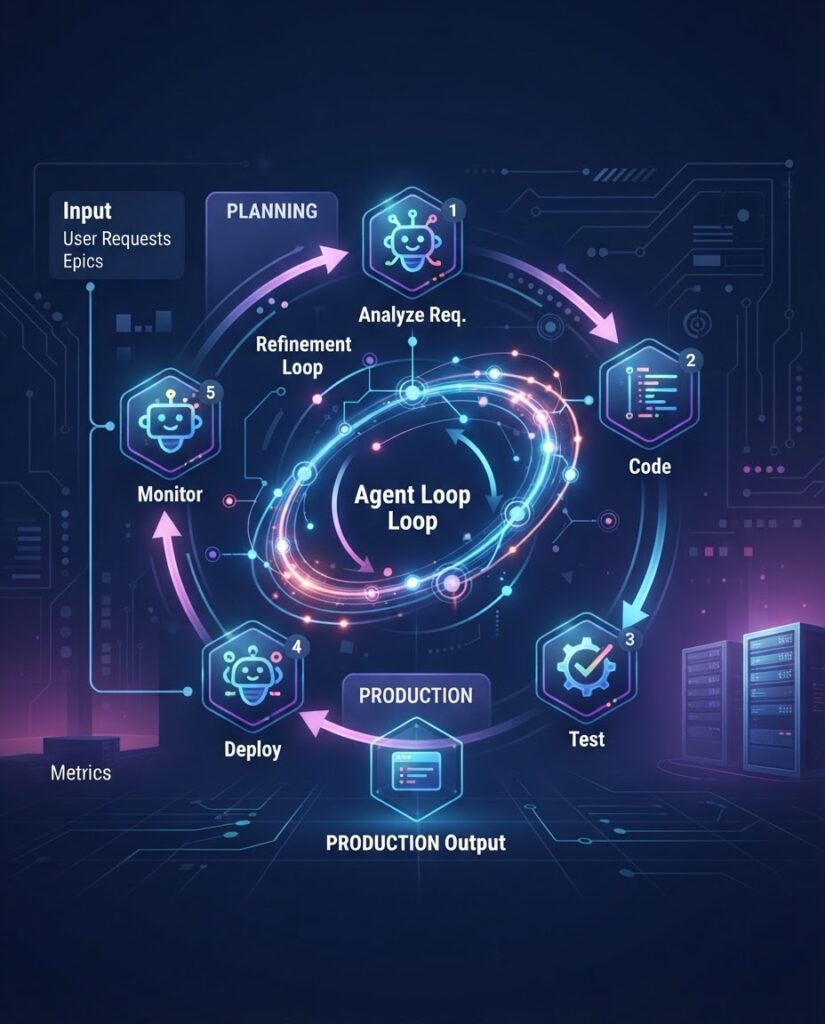
A lot of AI projects start with excitement and end with complexity. The problem is rarely the model; it is the plumbing. Laravel’s approach helps reduce that friction by making the agent layer feel like part of the framework instead of a separate, fragile system.
For engineering teams, that means less glue code, clearer boundaries, and a more predictable path from idea to implementation. It also means you can design agent-driven features around real business operations, such as searching records, summarizing workflows, triggering actions, or surfacing data from approved sources.
A simple way to think about it
If a traditional API is a direct request-response contract, MCP is more like a standardized capability layer for agents. That distinction is important because AI systems need context, boundaries, and discovery, not just endpoints.
When the framework handles the integration shape, your team can focus on product value: what the agent should do, when it should do it, and how to keep it secure.
What software teams should take away
For founders, CTOs, and senior engineers, the signal is clear: AI features are moving from isolated experiments into framework-level tooling. Laravel supporting MCP servers makes it easier to design agent experiences that are practical, secure, and easier to maintain over time.
If your roadmap includes AI copilots, internal assistants, or workflow automation, this is a strong reason to revisit your architecture. The best AI features are the ones that feel native to the product, not bolted on.
Final thoughts
Laravel AI agents are becoming more useful because they can now speak MCP and connect to real app capabilities with less friction. That is good news for teams that want to ship meaningful AI features without sacrificing structure, security, or maintainability.
If you are planning your next AI integration, keep an eye on this direction and think about where an agent could create real leverage in your product. Explore how Abul Kalam helps ambitious businesses build premium software solutions and turn modern framework capabilities into something your users will actually value.
Hunted & Written by Qalum AI